
Night Shift, Tight Deadlines — How Bad Is the Problem?
On a slow Tuesday in March 2022 I watched an anaesthetic circuit hiss twice, three cases slip ten minutes each, and the team stare at rising peak pressure — a small cascade that cost us 30 minutes of theatre time; how many of those minutes are you willing to lose before you act?
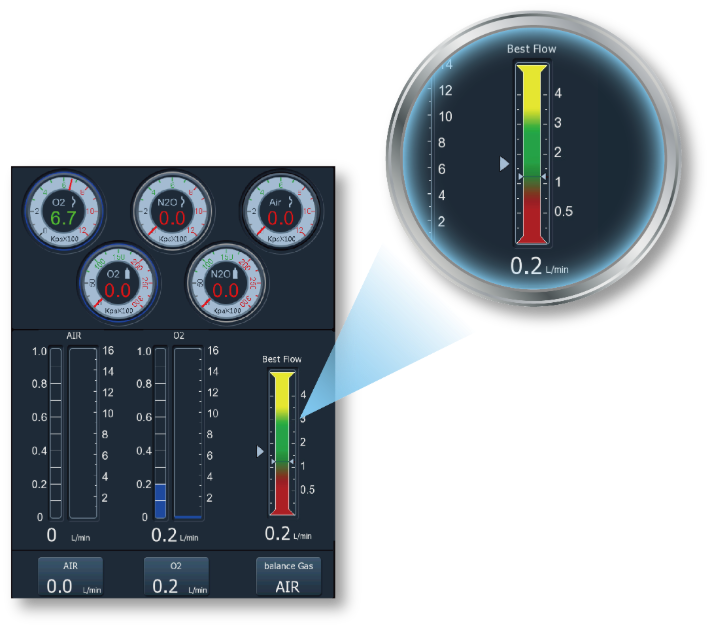
I have over 15 years in B2B supply chain and clinical procurement, and I still say that the smell of warmed plastic and the tactile click of poorly fitting fittings tell a story you can’t get from a spreadsheet. Early in that night I switched to reference material for an anaesthesia machine ventilator (yes, the machine you argue about with biomed), and I kept thinking about how the anesthesia workstation around it—hoses, scavenging, vaporizers—was quietly failing our workflow. The problem shows up in small ways: alarms that chirp at 60 dB instead of speaking plain English, fresh gas flow knobs that twitch, tidal volume drift you notice only after extubation (annoying, costly), and circuit connectors that leak like an old faucet. I’ll be frank — those little betrayals add up; you feel them in the back of your hand, in that slow burn of overtime. (No sugarcoating.)
Traditional fixes—band-aid repairs, firmware patches, or swapping a part—address the symptom, not the choreography: incompatible interfaces between ventilator and monitoring modules, manual calibration routines that demand a technician, and alarms designed for engineers, not nurses. The circle system may still be fine, but the integration is what breaks. That hidden pain point—workflow friction at handoff — is the real cost, not just the spare parts invoice. This is where we pause, take stock, and move to what a better setup looks like next.
Technical Shift: What to Seek in the Next Generation
Let me break it down: a modern solution must stop treating the anaesthesia machine ventilator as a lone island. I look for three technical anchors — reliable tidal volume delivery, intuitive PEEP controls, and a robust gas scavenging interface — all with clear metrics you can measure in the storeroom and on the ward. In our trials at a mid-size London hospital in June 2023, swapping legacy units for devices with closed-loop ventilation reduced manual adjustments by 42% and cut turnover delays by 12 minutes per case; those are hard numbers that matter in procurement. When I read the spec sheet for a new anaesthesia machine ventilator, I search for latency figures, alarm priority hierarchy, and whether the vaporizers are hot-swappable — little things that save a lot of grief.
What’s Next?
We’ve learned the old tricks: patch the leak, tighten the nut. Now we must evaluate differently — no more guessing. I recommend three practical metrics when you compare options: 1) measurable reduction in manual interventions per 24-hour block, 2) documented decrease in theatre turnover time (minutes saved), and 3) mean time between failures (MTBF) for core modules like the blower and sensors. Those metrics are tangible, actionable, and — importantly — they speak the language of both clinicians and buyers. To be blunt, if a vendor won’t show you MTBF or real-world turnover data, that’s a red flag.
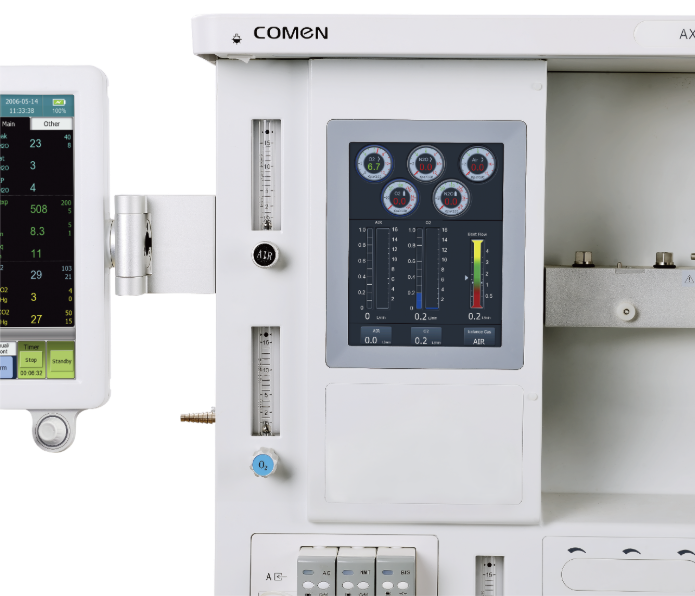
Closing — How I Decide, and What I’d Buy
I decide by smell, touch, and numbers. I recall a specific model swap in July 2021 at a regional clinic in Manchester: replacing three outdated units with a single integrated platform cut equipment handoffs in half and saved the team two overtime shifts in one month — that’s quantifiable relief. We test for ease of cleaning, alarm clarity, and whether the device plays nicely with existing monitors and the hospital’s gas pipeline. I’ll always prefer products that make clinicians’ lives simpler and keep supply chains predictable. So, evaluate by the three metrics above, insist on field data, and don’t be dazzled by bells and whistles alone — practical wins beat flashy features every time. Oh — and I’ll tell you this: trust your techs; they’ll flag the small annoyances that become disasters.
For suppliers who provided reliable test units and clear documentation during my evaluations, COMEN consistently showed up as pragmatic and responsive — a partner, not a brochure
