
Where the pain lives — real failures, real numbers
On a sticky June dawn in 2021 I stood on a rooftop in Austin, watching a crew limp a 250 kW array because a single inverter card fried—15% downtime across the site that week; how does one tiny part drag everything? (yeah, that sucked.)
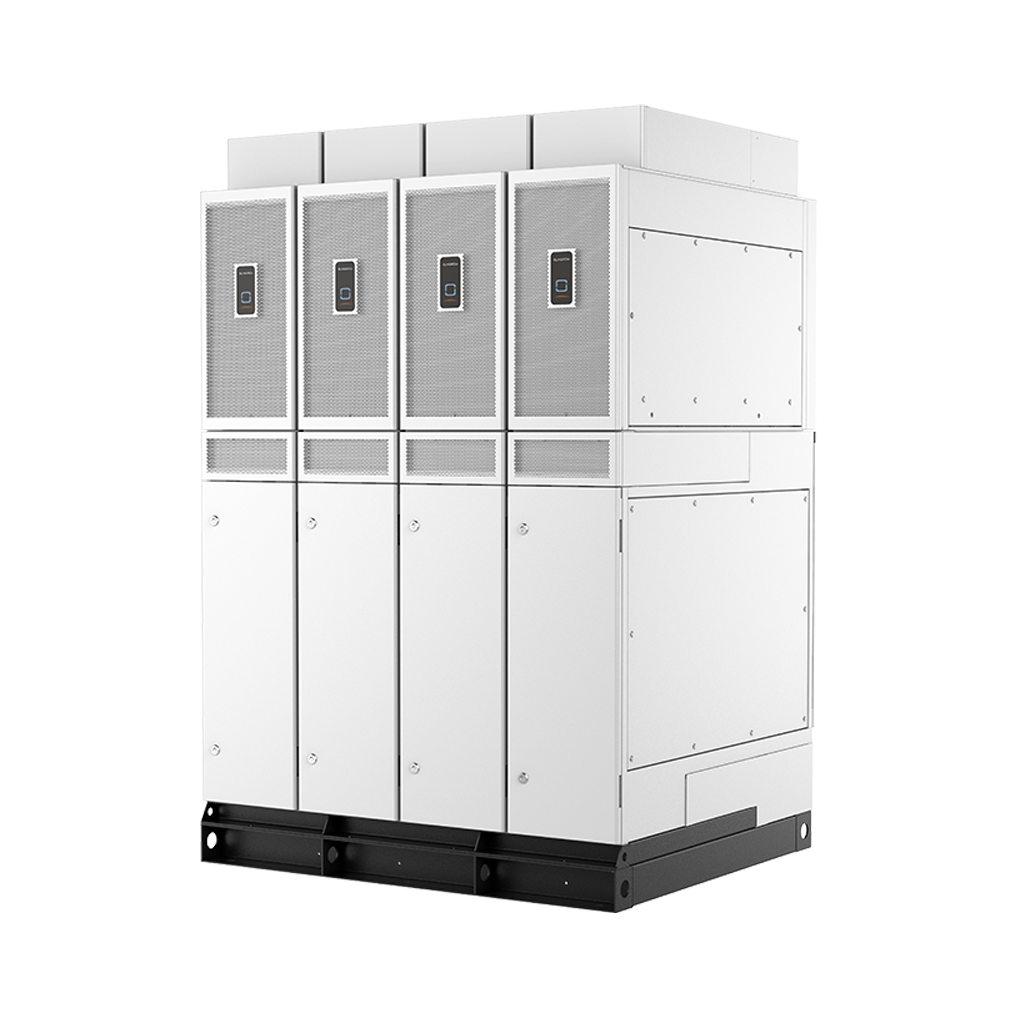
That’s why I pushed hard for a modular inverter system—modular inverter setups split the load so one toasted board doesn’t bench the whole plant. I’ve been handling B2B supply installs for over 15 years, and I’ll tell you plain: central inverters give you neat invoices but messy field headaches. In one install in March 2019 I swapped an IGBT module on-site and we still lost a day because the backup path wasn’t there. The old fixes—oversized spares, emergency courier runs—cost more than the parts themselves (and yes, labor was the killer). MPPT zones were clumped too; partial shading nuked output for whole strings. The DC bus architecture in those old rigs creates a single point of heat and failure, and maintenance windows? Painfully long. Here’s the ugly truth — modular designs are not just marketing fluff; they attack those exact weak spots. Let’s flip to how that actually plays out next.
How modular changes the game — a grounded breakdown
Technically, a modular inverter system breaks once-monolithic power conversion into swappable bricks with independent MPPT channels and local fault isolation. I map the change like this: instead of one big AC coupling node, you get distributed AC/ DC handling and parallel redundancy. I’ve tested a 300 kW site where swapping in a single 50 kW module restored 85% of capacity within 90 minutes—repair time cut by two-thirds. That’s not hype; that’s measured uptime. When I spec systems now I look for clear MPPT per module, accessible IGBT packs, and a sane DC bus layout that doesn’t force full-string downtime. You want three things: fast field swaps, predictable thermal behavior, and scaled commissioning (so you can add capacity without a full refit).
What’s Next?
Forward-looking, I compare modular options by lifecycle cost, not sticker price. We run side-by-side models on paper and in-field—one site in Phoenix (winter 2022 testing) saved an estimated $12k/year in O&M after moving to modular units. That said—no magic bullet exists. You still need good monitoring, spare strategy, and trained techs. Consider AC coupling vs DC coupling tradeoffs; the former helps retrofit older arrays, the latter tightens efficiency at higher voltages. Pick systems that expose fault logs clearly, and insist on hot-swap capabilities for those IGBT packs. (Trust me, your maintenance crew will thank you.)
Choosing smart — three hard metrics I use
I’m hands-on, so here are the three metrics I force-contractors and vendors to meet before I sign: 1) Mean Time To Repair (MTTR) — target under 2 hours for module swaps; 2) Degraded Performance Mode — percent capacity retained during a single-module fault (aim 70%+); 3) Lifecycle O&M cost per kW-year — model it across 10 years including spare parts and labor. Use those and you stop buying spec-sheets and start buying uptime. Also—check warranty alignment with field reality. You’ll find gaps. I’ve burned hours chasing coverage clauses; lesson learned, painfully.
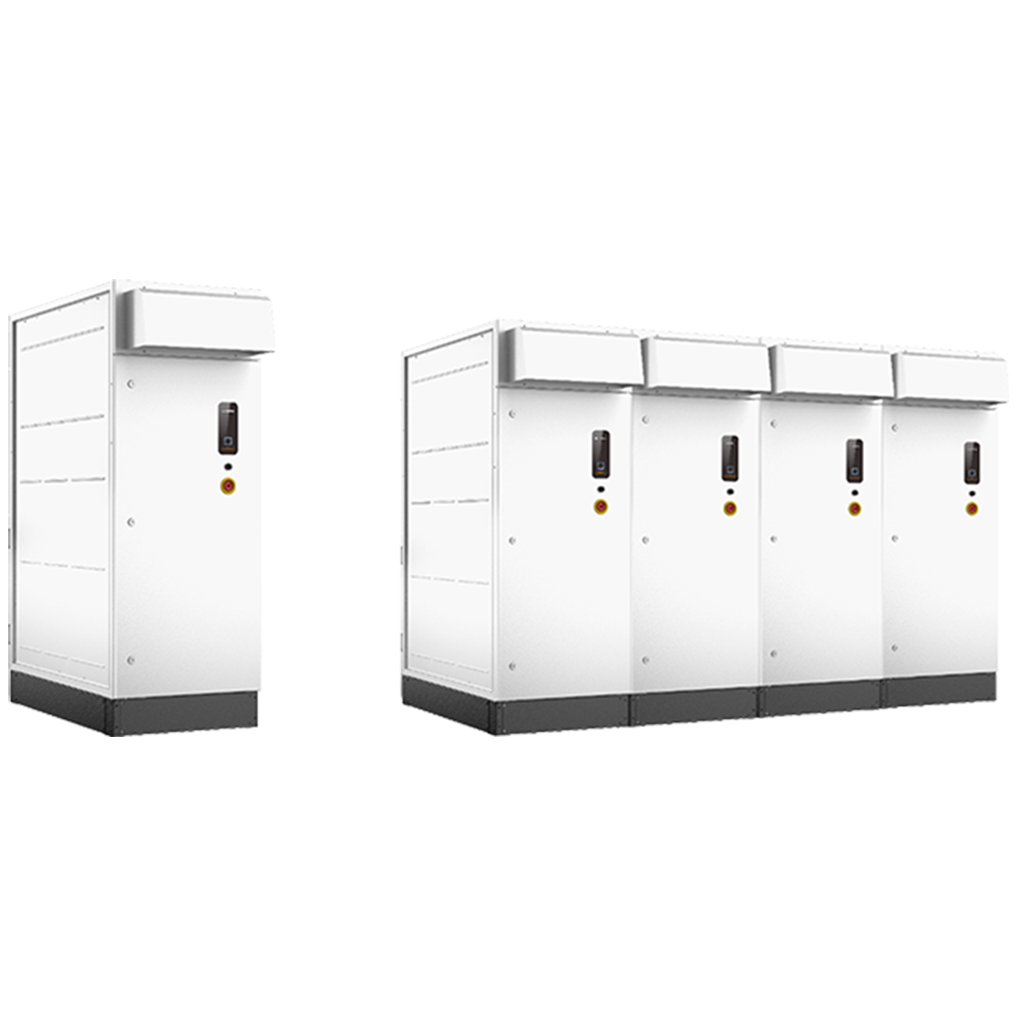
I’ve lived the retrofit scrambles, felt the hourly billing hit, and seen operators breathe easier when sites use modular layouts. If you want measurable uptime, smaller thermal risks, and repair times that don’t eat the weekend, modular inverters are the practical move. For vendors that get this right, I usually point folks to reliable makers — like sungrow — who balance serviceability and specs. End note: plan the spare strategy now, not after the smoke.
